
Why the War Against Plastic is Needed
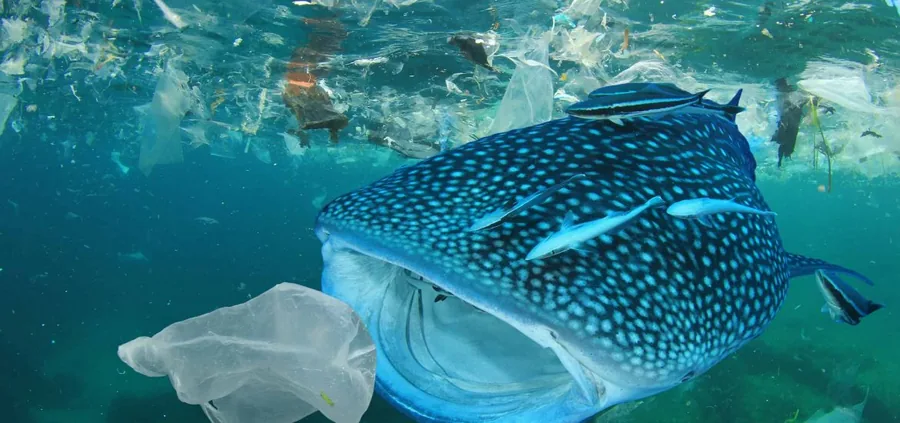
Remember the first plastic bag that carried your favourite toy home? Or that pack of chips after a long day at school? What about that straw you used to quench your thirst? Chances are these relics from your past may still be around — in your tap water, the sewer, a heap of garbage on the outskirts of your city, in the ocean, or in the intestines of an unfortunate animal.
A study found that 90% of all plastic waste in the oceans comes from just 10 rivers — all of them in India, China and Africa. Of the 8.3 billion tonnes of plastic produced since the 1950s, 79% lies piled up in landfills and oceans. Single-use plastics such as food wrappers and plastic bags are among the top five pollutants found in water bodies.
Closer home, a cow in Patna underwent a three-hour surgery to remove 80 kg of polythene from her stomach. A whale died in southern Thailand after consuming 80 plastic bags. These are not isolated cases — they are grim indicators of how non-biodegradable plastic has become a horrifying form of pollution.
The real problem with plastic is its negligible value — so people discard it without a thought — and its long life, causing it to accumulate on land, in rivers and in the sea. Plastic bags leach toxic chemicals into soil, litter landscapes, clog storm drains, and persist for a very long time.
The Central Pollution Control Board estimates India generates 15,342 tonnes of plastic waste per day, of which 9,205 tonnes are reportedly recycled. Some 40% (6,137 tonnes) remains uncollected.
Your garbage doesn’t cease to be your problem once you throw it out. Solutions like biodegradable and compostable plastics are available — but they require us, and corporations, to take responsibility and adopt these eco-friendly solutions. Eventually, what we need is a plastics-free world, and all of us need to pitch in.
Looking for certified compostable packaging?
Request a Quote